Article
How to remove super glue from skin and household surfaces
Cyanoacrylate bonds to skin moisture in seconds. Never pull glued fingers apart — use warm soapy water, acetone, or oil to release the bond safely.
Important safety note
The golden rule: Never pull skin apart
Super glue (cyanoacrylate) requires moisture to cure. The natural humidity and sweat on human skin make it set in 5 to 15 seconds. The tensile strength of cured super glue is higher than the bond between your outer skin layers.
If your fingers are glued together, do not yank or force them apart. Pulling will peel off skin and create an open wound. The adhesive will break down quickly with the right liquid and gentle rolling motion.
How to free fingers and skin
Step 1: Warm soapy water soak (Best first step)
- Fill a bowl with warm (not scalding) water and generous dish soap.
- Submerge the glued skin for 5 to 10 minutes.
- Slowly roll a dull butter knife, pencil, or your other fingertips between the glued areas. Roll gently — do not pull.
- The soap and water soften the glue bond while loosening natural skin oils.
Step 2: Acetone or nail polish remover (For fast release)
If soapy water does not release the bond:
- Soak a cotton ball or swab with standard acetone-based nail polish remover.
- Hold it against the glued seam for 1 to 2 minutes.
- As the acetone dissolves the acrylic polymer, gently roll your fingers apart.
- Wash immediately: Acetone strips skin oils heavily. Wash with soap and apply hand lotion immediately afterward.
Step 3: Kitchen oil, butter, or petroleum jelly (For sensitive skin)
If you have cracked skin or eczema that stings with acetone: rub olive oil, coconut oil, or Vaseline into the seam for 5 minutes. The fats work under the edge of the glue and release it.
Glued eyes, lips, or eyelids
- Glued eyelids: Do not use acetone. Do not force the eye open. Flush with warm water and apply a warm, wet washcloth patch. The glue will naturally release from eyelid moisture within 1 to 4 days. See an eye doctor or urgent care immediately.
- Glued lips: Swish warm water inside your mouth while wetting the outside. Gently peel your lips apart using tongue pressure from the inside. Do not use chemical solvents near your mouth.
Removing glue spills from home surfaces
Different household materials require completely different cleanup approaches:
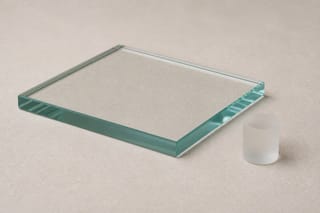
- Glass and Metal: Safe for acetone. Saturate the spot, wait 3 minutes, and scrape flat with a single-edge razor blade.
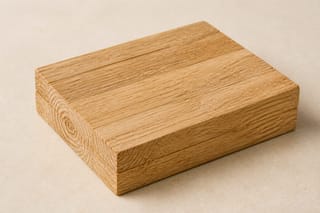
- Wood (Finished furniture & floors): Do not use acetone. Acetone dissolves polyurethane varnish and lacquer finishes instantly, leaving a bleached white haze. Instead, gently scrape the crust with a plastic scraper, or use mineral oil to soften it over several hours.
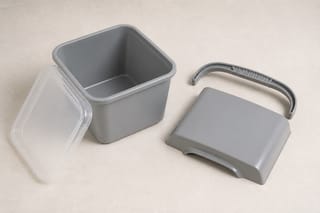
- Plastic (Electronics, acrylic, toys): Never use acetone on plastic. Acetone melts acrylic and polycarbonate into cloudy slime. Use vegetable oil, isopropyl alcohol, or scrape carefully with a fingernail.
Warning: Super glue on cotton or wool
Spilling super glue onto cotton socks, denim jeans, or wool gloves causes a rapid exothermic reaction. The cotton fibers act as an intense chemical catalyst, generating enough heat to cause skin burns and release irritating white smoke.
If you spill glue on cotton clothing against your skin, peel the fabric away from your body immediately before it gets hot.