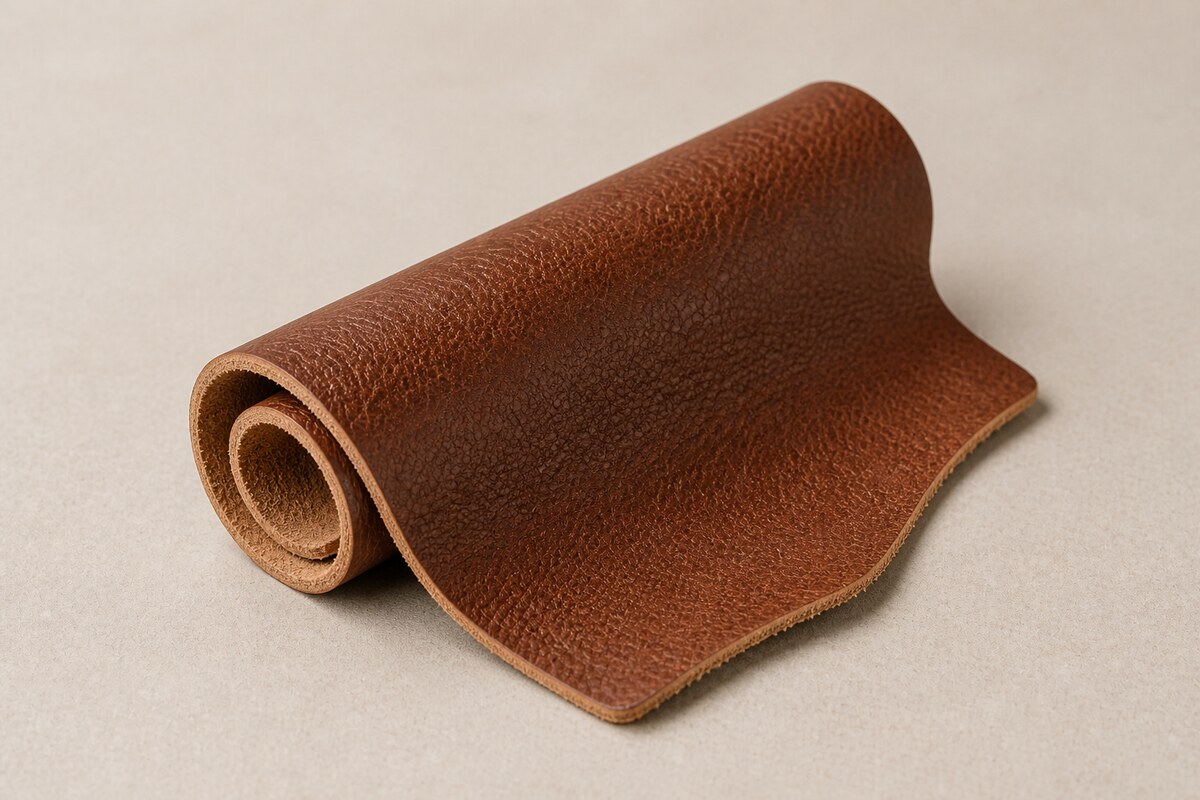
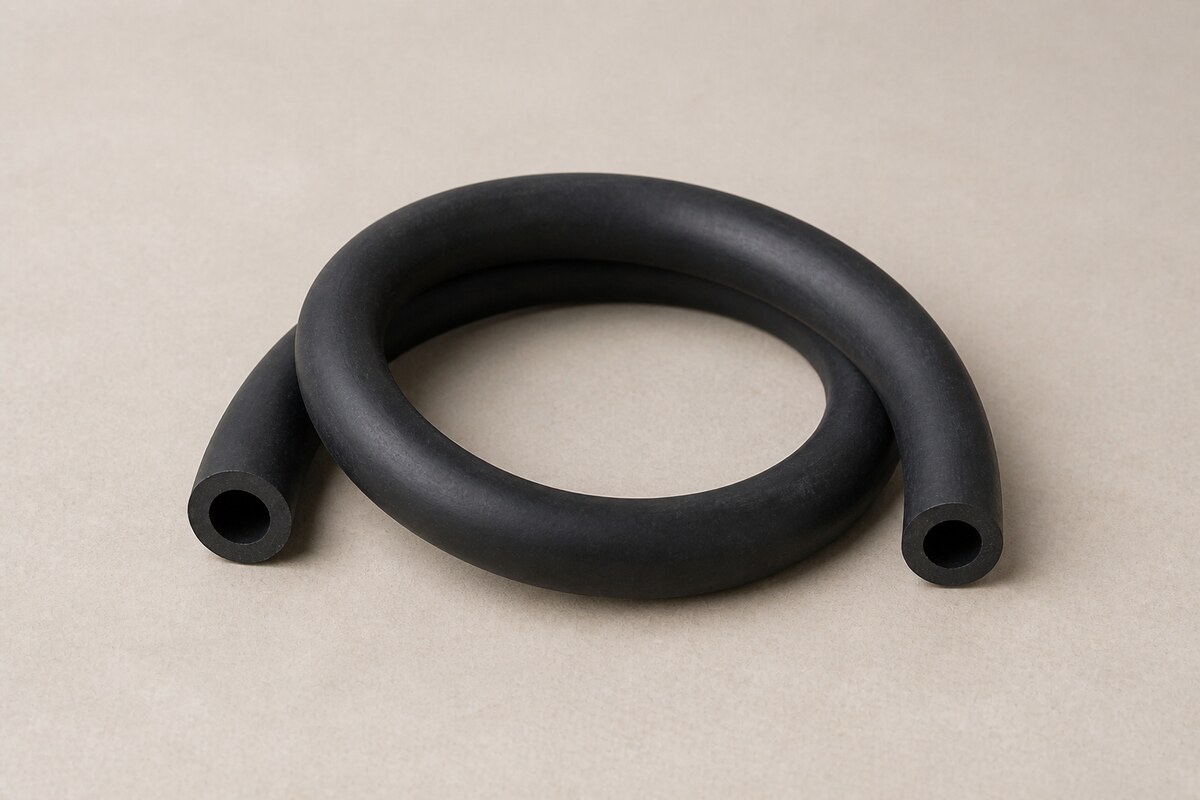
Material pair
Leather to Rubber
Best bet
The shoe-repair answer: it flexes with the rubber and covers a whole sole evenly.
Derived from our material compatibility data.
Why this answer
- Porous and flexible like fabric but denser — the bond must bend without cracking, and load-bearing seams want stitching as backup.
- Flexible and slightly oily — it needs a bond that flexes with it, plus a quick scuff so the glue has something to grip.
- Grips on contact and stays flexible for years — what a cobbler reaches for.
- The shoe-repair answer: it flexes with the rubber and covers a whole sole evenly.
Conditions
When the answer changes
Use Polyurethane
Use Polyurethane
Use Polyurethane
This is the shoe repair, and it is a peel joint that flexes with every step, so coverage matters more than strength — coat the whole area, not the edges. Clamp or weight the sole down evenly across its length while it sets; a spring clamp at the toe alone will lift the middle.
Alternatives
What else works
Waterproof and tough enough for boot soles, but it foams and needs real clamping.
Better when: Outdoor exposure, Water immersion, Flexing or movement
Stays as flexible as the rubber, which suits a thin sheet or a rubber-backed textile — but it is a light-duty bond.
Avoid
What not to use
Avoid
Silicone
Silicone — it sits on the surface as a rubbery film, peels away at the edge, and leaves a permanent shine.
Avoid
Super glue (CA)
Super glue — it dries stiff and pale, and the repair cracks the first time the leather bends.
Avoid
Spray adhesive
Spray adhesive — the film never hardens, so a flexing rubber part slowly walks itself loose.
Avoid
Construction adhesive
Construction adhesive — far too thick and stiff for a flexible piece you hold in your hands.
Avoid
Epoxy
Epoxy — it cures into a hard plate, and leather is meant to bend.
Avoid
Wood glue (PVA)
Wood glue — it dries stiff, darkens the leather, and lets go as soon as the piece flexes.
Questions
Common questions
- Why remove leather finish and old glue before a shoe repair?
- Polish, dressing, molded release residue, and degraded adhesive can all become weak layers. Expose sound leather fiber, scuff the rubber as directed, and remove loose old adhesive so the new bond reaches both materials.
- Why must the whole separated sole area be coated?
- A shoe sole flexes and peels at every step. Full, even coverage spreads that stress across the available area, while an edge-only repair leaves the unbonded middle free to lift and pull the edge open again.
- Why is one clamp at the toe not enough?
- One clamp creates pressure only near its jaws and can leave the middle or heel open. Wrap, weight, or clamp the repair so the entire sole stays in contact according to the adhesive instructions.
- What changes for footwear that gets wet and flexes heavily?
- Repeated water exposure and bending demand an adhesive that stays flexible and is approved for that exposure. The page's condition switches favor polyurethane in those cases; a clean, fully coated joint is still essential.