Guía
Reparar una grieta en metacrilato o acrílico
Usa Acrylic cement para esta reparación. It welds two touching edges into one piece and leaves a joint you can see through — the only method that keeps a clear part clear.
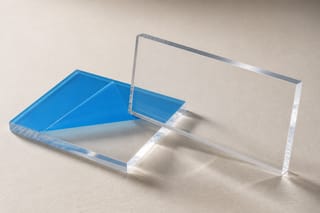
Esta tarea implica: Línea de pegamento visible
Mejor pegamento para esta reparación
It welds two touching edges into one piece and leaves a joint you can see through — the only method that keeps a clear part clear.
Preparación extra
- Los cantos deben estar escuadrados y pulidos sin rayas para lograr una soldadura invisible.
No para: Holgura o mal ajuste
Revisado y ajustado por un editor.
Por qué Acrylic cement funciona aquí
- Para unir acrílico con acrílico, el cemento solvente específico es la opción insuperable: fusiona el plástico en una unión invisible. El cianoacrilato genera veladuras blancas (empañamiento) y el epoxi estándar puede amarillear.
- Funde químicamente el acrílico para fusionar las piezas en una unión perfectamente transparente.
- Los cantos deben estar escuadrados y pulidos sin rayas para lograr una soldadura invisible.
Cómo hacerlo
Reparar una grieta en metacrilato o acrílico: paso a paso
- Limpia la grieta con alcohol y haz un taladro fino (1 mm) al final de la fisura para detenerla.
- Alinea bien los bordes de la placa acrílica.
- Aplica una gota de solvente acrílico con aguja o jeringa: entrará sola por capilaridad.
- Mantén la pieza inmóvil durante 2 minutos.
- Deja curar 24 horas antes de manipular la pieza.
Condiciones
Cuándo usar Clear 2-part epoxy en su lugar
Haz un microtaladro al final de la grieta para frenar su avance antes de aplicar el producto.
Alternativas
Otros adhesivos que funcionan
The choice when the fit is bad. It fills what a weld cannot close, but the glue line stays visible and a general-purpose epoxy can yellow in sunlight.
Mejor cuando: Holgura o mal ajuste
Preguntas
Preguntas frecuentes sobre esta reparación
- Why not use super glue on cracked acrylic?
- It can bond the edges quickly, but the vapour often blooms as a white frost across the surrounding sheet and can craze the plastic. That damage sits well away from the crack and cannot be polished out reliably.
- Can acrylic cement close a crack I can see through?
- No. Cement welds edges that already touch. Daylight in the crack means a gap, so use a clear epoxy as a visible fill or replace the sheet.
- Why leave the protective film on while cementing acrylic?
- The film keeps stray solvent off the face. Peel it back only at the joint so the cement can reach the edge; uncovered sheet is what fogs when vapour or runoff lands on it.
- Will an epoxy acrylic repair stay clear outdoors?
- A general-purpose epoxy can yellow in sunlight even when it starts clear. Cement is the better outdoor joint when the edges fit; if you must fill a gap, choose a product whose maker documents outdoor or UV use, or plan to replace the sheet.