Todos los artículos
Guía
Arreglar los barrotes sueltos de una silla de madera
Use PVA wood glue for tight-fitting chair rungs clamped until cured. If the mortise socket is worn loose or wallowed out, switch to gap-filling 2-part epoxy.
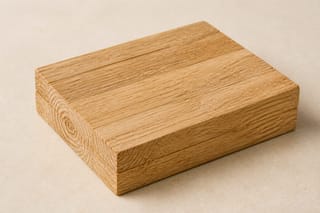
Esta tarea implica: Carga y cizallamiento, Holgura o mal ajuste
Mejor pegamento para esta reparación
Penetra en la fibra restaurando la firmeza de la unión original.
Revisado y ajustado por un editor.
Por qué Cola para madera (PVA) funciona aquí
- Porosa y agradecida para el pegado: el adhesivo penetra en la fibra y una unión bien hecha es más resistente que la propia madera. Las maderas grasas (teca) requieren desengrasar previamente con disolvente.
- Penetra en la veta de la madera y cura creando una unión más fuerte que la propia madera.
Cómo hacerlo
Arreglar los barrotes sueltos de una silla de madera: paso a paso
- Separa suavemente el barrote para exponer la espiga de madera.
- Lija y raspa los restos de cola seca vieja.
- Aplica cola para madera abundante en la espiga y dentro del orificio.
- Encaja el barrote y prensa firmemente con una cincha de carraca o un sargento.
- Limpia el sobrante con un trapo húmedo y deja secar 24 horas.
Condiciones
Cuándo usar Epoxi con capacidad de relleno en su lugar
Si la espiga baila en la mortaja por desgaste, la cola blanca encogerá al secar. Usa epoxi de relleno o introduce una pequeña cuña de madera.
Alternativas
Otros adhesivos que funcionan
Epoxi con capacidad de relleno
Fills voids and bonds structurally without shrinkage when the chair socket has wallowed out.
Mejor cuando: Holgura o mal ajuste
Preguntas
Preguntas frecuentes sobre esta reparación
- Can I just inject glue into the loose chair joint without taking it apart?
- Injecting glue without cleaning rarely lasts because fresh glue cannot penetrate through the crust of old, dried glue. For a permanent repair, pull the rung out and scrape both mating faces to bare wood before re-gluing.
- What if the chair spindle is loose and wobbly inside the mortise hole?
- PVA wood glue shrinks as its water evaporates and has almost no strength across empty gaps. When the tenon fits loosely, use a 2-part gap-filling epoxy or wrap the tenon with thin wood veneer soaked in glue.
- How do I clamp round chair legs without specialized wood clamps?
- Use a nylon ratcheting strap clamp or tie a loop of strong rope around the chair legs and twist it tight with a screwdriver (the Spanish windlass technique) until glue squeeze-out appears.
- Why should I dry-fit the chair before applying wood glue?
- PVA wood glue begins tacking within 5 to 10 minutes. Dry-fitting ensures all rungs and legs align square on a flat floor and lets you set your clamp positions before the glue clock starts.