All glue types
Glue type
Solvent cement
Not really a glue: the solvent softens both plastic faces, they are pushed together, and as the solvent leaves, the two parts finish as one piece. This is what joins PVC pipe, acrylic sheet, and ABS drain fittings.
Best for
Where it works best
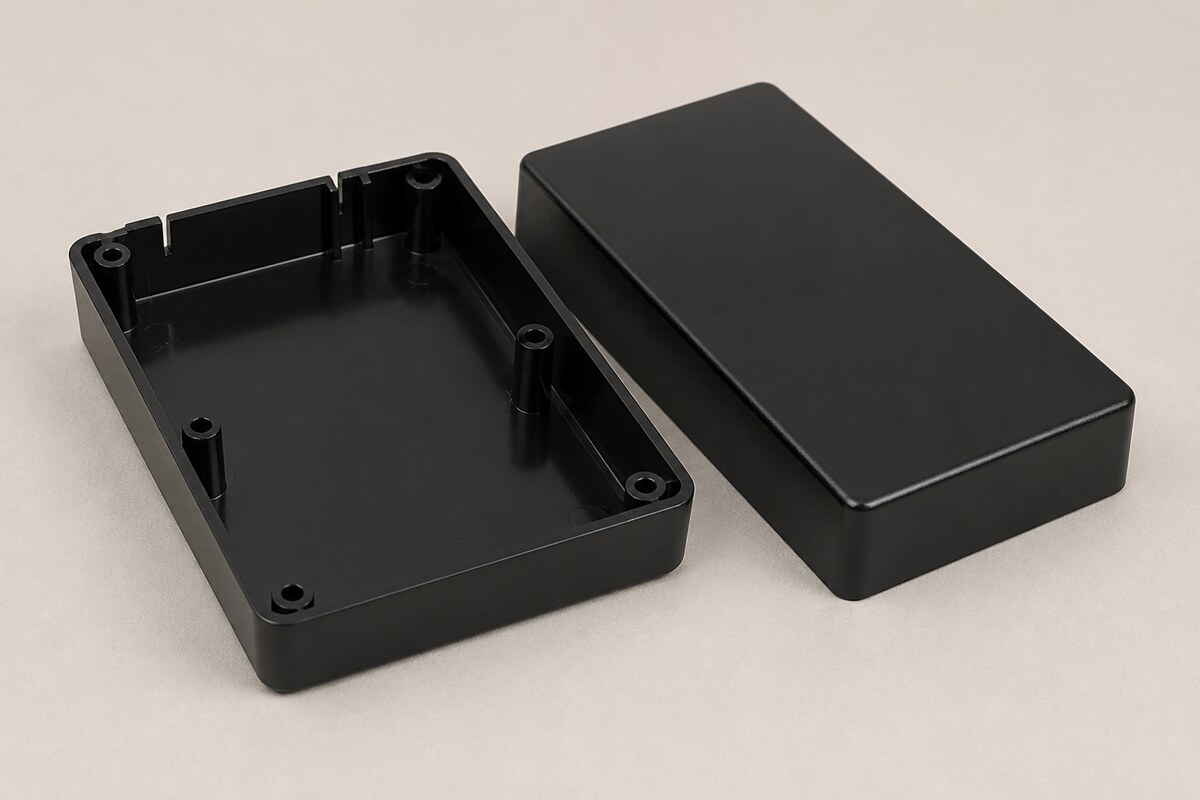
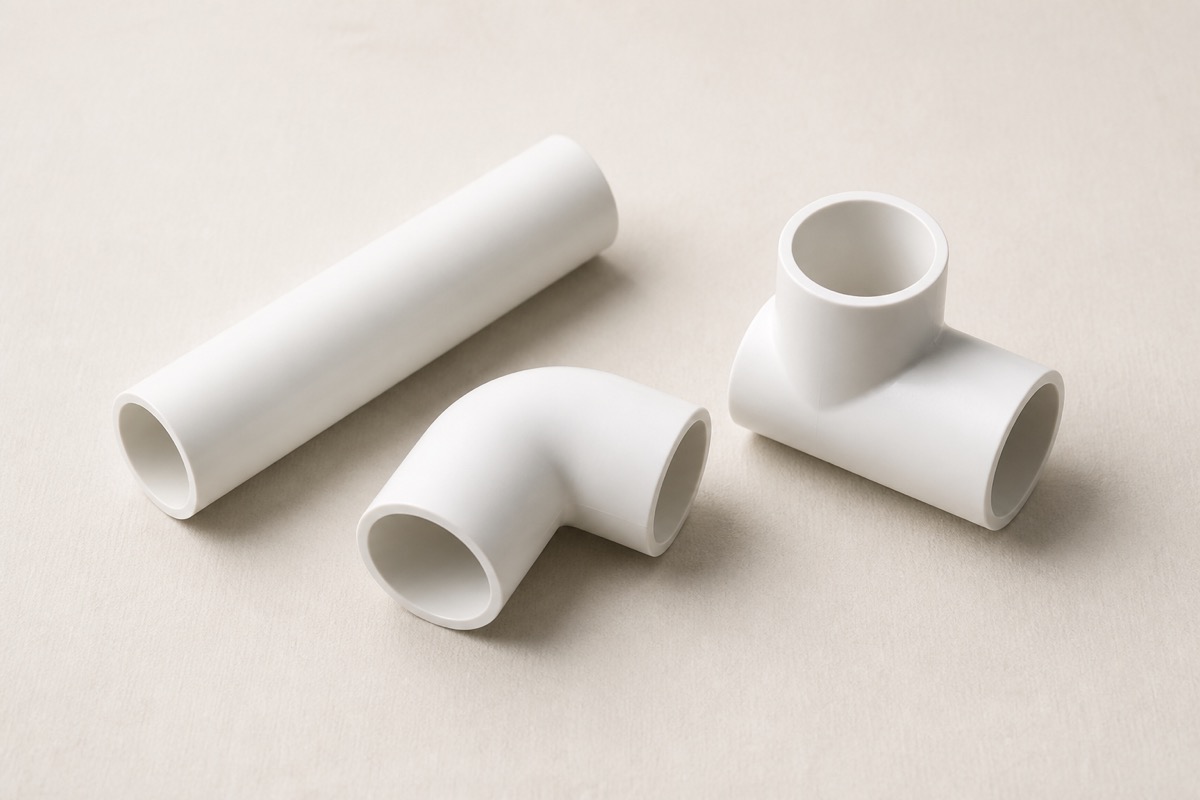
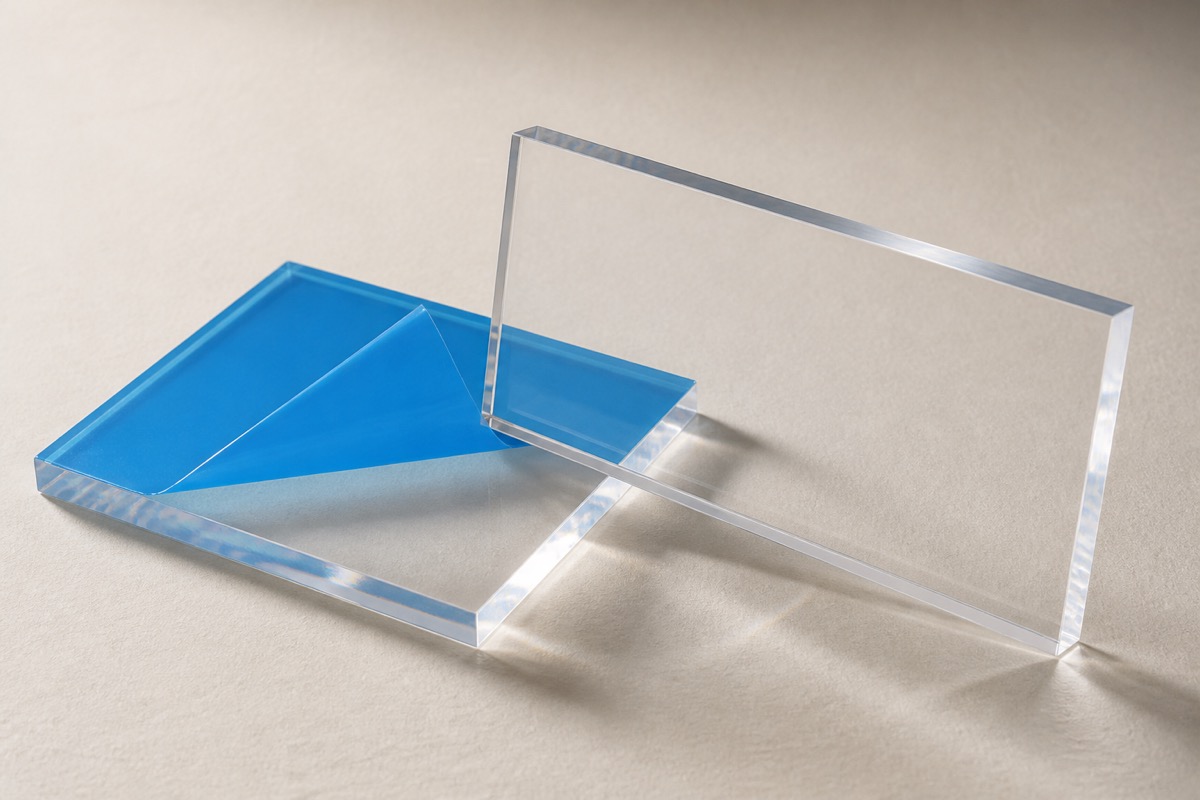
Also works, with conditions
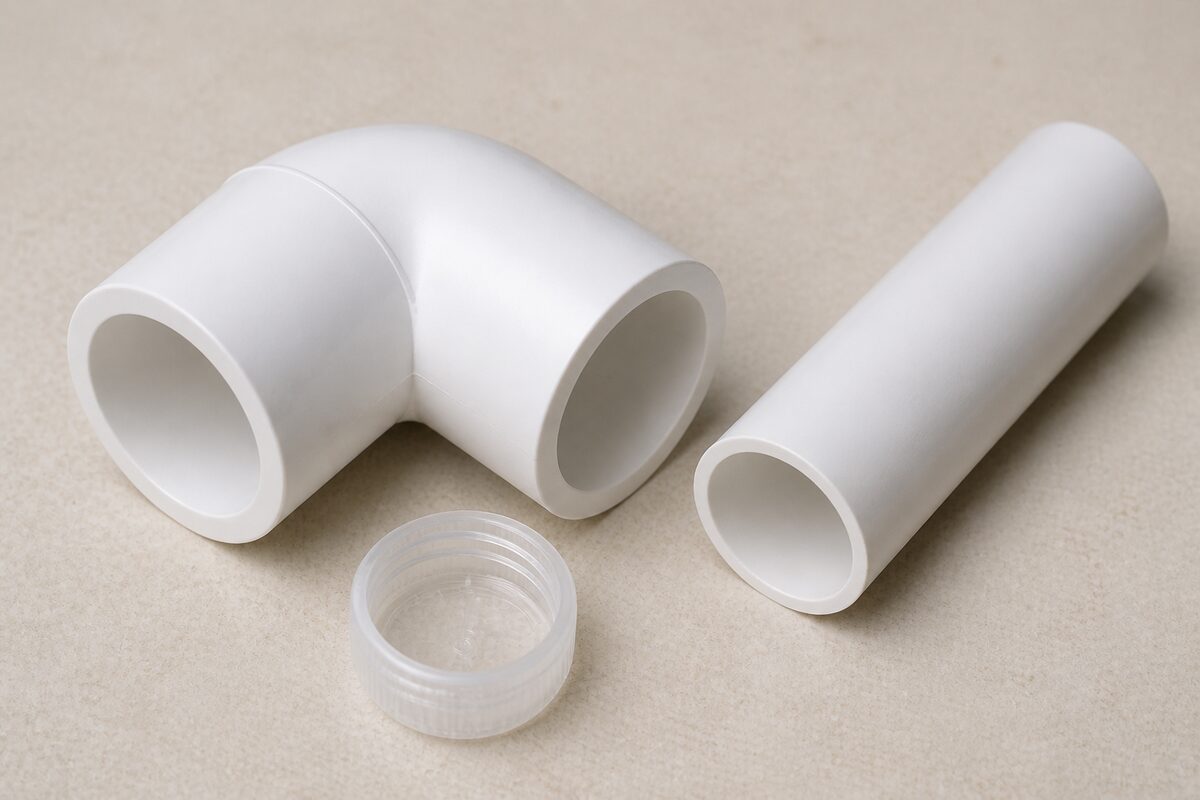
Doesn’t hold on
Wood, Metal, Glass, Ceramic, Fabric, Rubber, Concrete & stone, Leather, Foam, Polypropylene (PP), EVA foam
Wrong toolAnything it cannot dissolve. On metal, glass, wood, or polypropylene there is nothing for it to soften, so it flashes off and leaves the parts loose. It also needs a close-fitting joint — it welds a seam, it does not fill one.
Using it
What actually matters
- 01Match the cement to the exact plastic. PVC, CPVC, ABS, and acrylic each have their own formula, and the wrong one either does nothing or attacks the part.
- 02The joint has to fit. Solvent cement welds surfaces that touch; a gap stays a gap.
- 03Clean and deburr both faces, and use the primer when the pipe standard calls for one.
- 04Assemble immediately and hold the joint still — the softened plastic can push a fitting back out before it sets.
- 05Work in moving air and away from flame; these solvents are volatile and flammable.
- 06Let it develop strength before pressure or load. The cure keeps going after the seam feels solid.
Questions
Common questions
- Is solvent cement the same as glue?
- No. Glue cures into a separate layer holding two parts together; solvent cement dissolves the surface of both plastics so they fuse and finish as one piece. That is why a properly cemented seam is usually as strong as the parts themselves, and why it cannot be undone.
- Can I use PVC cement on any plastic?
- No. Each formula is made for a specific plastic, and the label names it. PVC cement does nothing on polyethylene or polypropylene because it cannot dissolve them, and on acrylic it can craze and fog a clear part rather than weld it.
- Will solvent cement fill a gap in a cracked part?
- No. It only welds surfaces that actually touch, so a wide crack, a missing chip, or a sloppy fit stays weak. Use a gap-filling adhesive such as epoxy when the two faces do not meet cleanly.
- Do I need primer before solvent cement?
- It depends on the material and the job. Plumbing codes commonly require primer on pressure PVC pipe because it cleans and pre-softens the surfaces, while many acrylic and model applications use the cement alone. Follow the cement's own instructions and any code that applies.
- How soon can I use a joint made with solvent cement?
- Later than it feels ready. The seam gets firm quickly, but full strength arrives as the remaining solvent leaves the joint, and cold or damp conditions slow that down. Manufacturers publish set and cure times per pipe size and temperature — go by that chart, not by touch.