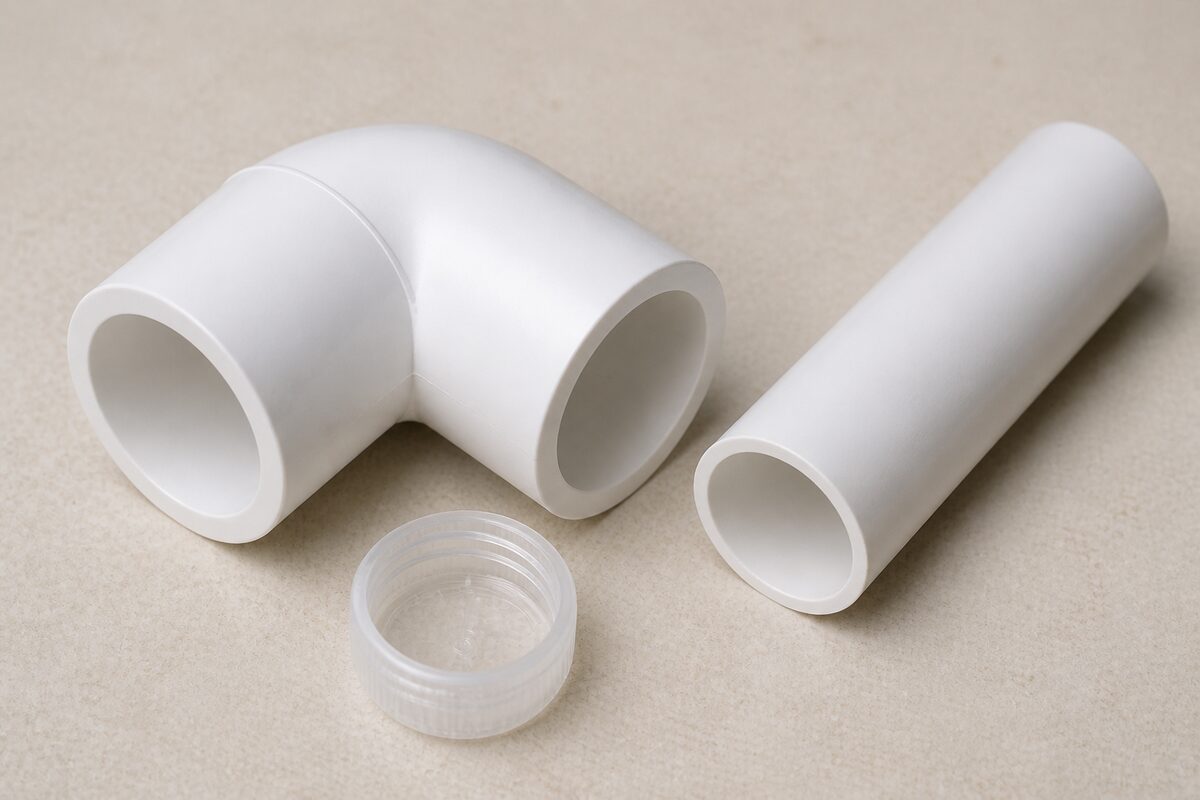
Material pair
Polypropylene (PP) to Polypropylene (PP)
Best bet
Plastic bonding system (primer + CA)
The activator primes PP's waxy surface so the adhesive can grip — the one common product made for this.
Extra prep
- Wipe the surface clean, then coat both faces with the system's activator pen and let it flash off before the adhesive.
- Wipe the surface clean, then coat both faces with the system's activator pen and let it flash off before the adhesive.
Not for: Outdoor exposure, Gap or poor fit
Reviewed and adjusted by an editor.
Why this answer
- The problem plastic. Its waxy, low-energy surface sheds ordinary glues — epoxy, super glue, and wood glue all peel off. It needs a specialty primer system or a mechanical fix.
- The problem plastic. Its waxy, low-energy surface sheds ordinary glues — epoxy, super glue, and wood glue all peel off. It needs a specialty primer system or a mechanical fix.
- The primer pre-treats PP's waxy surface so the adhesive can grip — ordinary glues can't.
- The primer pre-treats PP's waxy surface so the adhesive can grip — ordinary glues can't.
- Wipe the surface clean, then coat both faces with the system's activator pen and let it flash off before the adhesive.
- Wipe the surface clean, then coat both faces with the system's activator pen and let it flash off before the adhesive.
- The activator primes PP's waxy surface so the adhesive can grip — the one common product made for this.
Preparation
Prep each side differently
Wash and dry — then stop: no amount of scuffing makes ordinary glue stick to PP.
Wash and dry — then stop: no amount of scuffing makes ordinary glue stick to PP.
Conditions
When the answer changes
Keep the repair indoors and snug-fitting — the system cures brittle and its data sheet rules out exterior use and gaps. A bin that flexes in use wants a plastic weld (a soldering iron) or a replacement instead.
Avoid
What not to use
Avoid
2-part epoxy
Ordinary epoxy and super glue bead off polypropylene no matter how well you scuff it.
Avoid
Wood glue (PVA)
Water-based PVA has nothing to grip on a waxy, non-porous surface.
Avoid
Silicone
Silicone seals against PP but never bonds to it — the bead peels away in one piece.
Avoid
Construction adhesive
Construction adhesive grabs almost anything except polyolefins — on PP it stays a rubbery strip you can pull off.
Avoid
Contact cement
Contact cement needs to bite into the surface, and PP's wax layer refuses it — the film lifts off in one sheet.
Avoid
Polyurethane
Polyurethane foam locks into pores, and polypropylene has none — it cures into a shape that simply falls out.
Avoid
Spray adhesive
Spray adhesive slides on PP even before it is loaded; the low-energy surface holds nothing.
Avoid
Flexible fabric adhesive
Fabric adhesive grips a weave, not wax — on PP it peels off with a fingernail.
Products
Products for this joint
- Loctite Plastics Bonding SystemThe fix for polypropylene and polyethylene — an activator pen primes the waxy surface so the adhesive can grip. Also handles PVC, polycarbonate, and other hard plastics.
- Gorilla Super Glue GelVertical or slightly porous small repairs where a runny CA would drip or soak in.
- Loctite Super Glue Ultra Gel ControlSmall, tight-fitting breaks — a ceramic handle, a rubber foot, a plastic clip. The rubber-toughened gel tolerates knocks and vibration better than ordinary CA.