Tous les types de colle
Type de colle
Colle polyuréthane
Étanche et multi-matériaux. Elle s’expanse en durcissant, donc ayez la main légère et serrez solidement.
Idéal pour
Ce que Colle polyuréthane colle le mieux
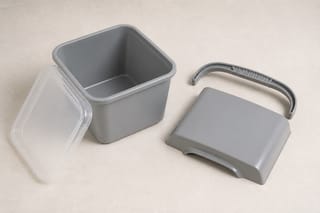
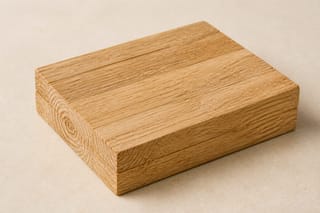
Convient aussi, selon les conditions
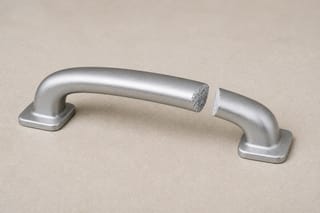
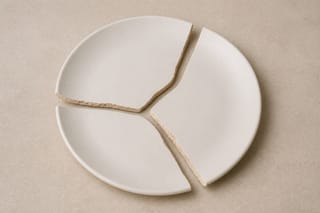
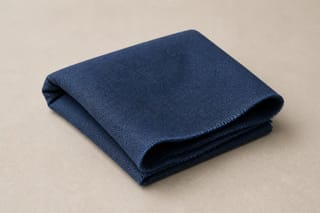
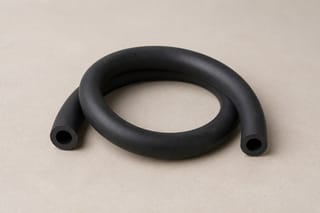
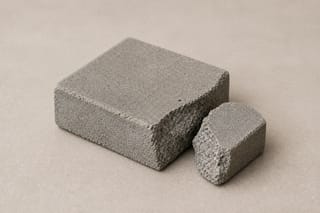
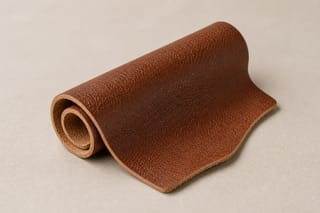
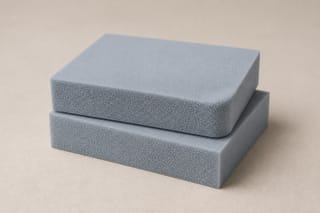
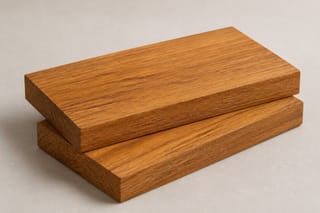
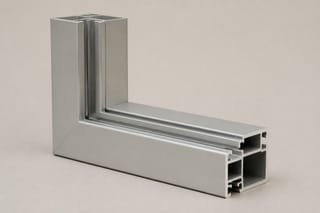
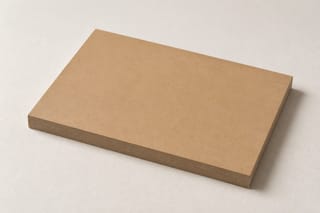
N’adhère pas sur
Verre, Polypropylène (PP), Polyéthylène (PE / PEHD / PEBD), Plaque de plâtre (Placo), Carrelage
Mauvais outil
Les joints de colle visibles — elle mousse en durcissant, et la mousse expansée est fragile et inesthétique.
Utilisation
Comment utiliser Colle polyuréthane
- 01Humidifiez légèrement l’une des surfaces au préalable — l’humidité déclenche le durcissement.
- 02Utilisez avec parcimonie ; elle double ou triple de volume lors de la prise.
- 03Serrez fermement et laissez en place — la phase de moussage a tendance à écarter les pièces.
- 04Grattez ou poncez la mousse durcie ; elle se peint difficilement.
Articles
Comment Colle polyuréthane fonctionne
- Quand NE PAS utiliser la colle Gorilla Glue originale (Polyuréthane)La célèbre colle polyuréthane est puissante mais possède des propriétés d'expansion qui la rendent inadaptée à certains travaux courants.
- Comment conserver ses colles pour éviter qu'elles ne sèchentAstuces simples pour prolonger la durée de vie de vos tubes de colle entamés et éviter de les jeter au bout de deux semaines.
- Temps de serrage vs temps de durcissement : les différences clésRetirer les serre-joints trop tôt ou solliciter un collage avant son durcissement complet est la première cause d'échec. Voici comment interpréter les indications des fabricants.
- Comment enlever de l'époxy durci ou de la colle de fixationGuide pratique pour dissoudre, ramollir ou gratter les résidus d'adhésifs structurels durcis sans endommager le support.
Questions
Questions fréquentes sur Colle polyuréthane
- Why do I dampen a surface before using polyurethane glue?
- Moisture triggers the cure. A light, even dampening on one side is enough; standing water dilutes the glue and makes the foaming harder to control.
- Does the expanding foam make polyurethane glue good at filling gaps?
- The glue reaches into an irregular joint, but the airy foam itself is much weaker than a thin bond between fitted surfaces. Treat expansion as coverage, not as a substitute for sound contact.
- Why does polyurethane glue need firm clamping?
- The curing reaction expands and can push the parts apart. Clamping keeps the real bonding faces together while excess foam escapes at the edge.
- How do I remove polyurethane glue squeeze-out?
- Do not smear the wet foam across the surface. Let it harden, then cut or scrape it away and sand the remaining trace; protect visible areas beforehand because cured residue is difficult to finish cleanly.